

A Garden Against the Polycrisis
I haven’t written for a while, and it’s not because I ran out of thoughts, but because the garden has claimed my time and attention. I’m lucky to live in a house with a small back garden, nothing particularly large or fancy, yet enough for a person to do something useful. This year, I decided to transform a small part of it into a vegetable garden.
Although I come from a farming family, gardening was not something that I particularly enjoyed or made time for, but this has changed over the past decade. Moving into a house with even a small garden helped me to reconnect with the soil in a way unfamiliar at first touch, but grounding in a way I didn’t realise. I was not doing very much at first, yet during turbulent times – like the Covid19 period - the garden became a kind of sanctuary, a place where I could reconnect with nature, reflect in silence or read, and momentarily step away from the intensity of the world. Gradually, and in its own quiet way, the garden also began to teach me something about beauty.
For years, I was growing flowers, nothing particularly demanding, tulips, roses, orchids, and a variety of perennials. I often thought of myself as a rather lazy gardener. This year, however, I decided to transform part of the garden into a vegetable patch. I spent more than a week clearing grass, roots and stones and adding compost to create a fertile soil where vegetables can grow. It was time-consuming and physically tiring, but also deeply rewarding.
The garden became a place of calm and sanity, where I could get away from the constant flow of news, the pull of the online world, and the pressure of apocalyptic headlines. As someone who has spent nearly three decades studying and thinking about climate change, growing vegetables turns climate change into something you can see, taste, and respond to in everyday life. It becomes a personal way of engaging with a global challenge, and in doing so, it offers a sense of relief, even a cure for climate anxiety.
But there was also another reason for starting a vegetable garden, which is to teach the youngest member of our family something essential about food. I want him to understand that food does not simply materialise, neatly packaged under supermarket lighting. It begins as something fragile that grows in soil which must be prepared, fed, watered, protected, and understood. Every carrot, bean, or tomato represents weeks or months of unseen labour, shaped by sunlight, weather, the constant threat of pests, drought, or disease.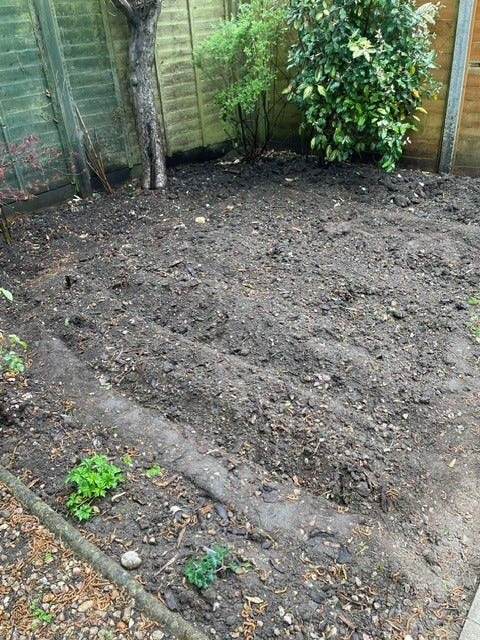
To grow food is to learn that nourishment is not automatic but demands attention, care and patience. You have to prepare the soil, understand the seasons, and accept that some years will fail despite your best efforts.
Supermarkets hide this reality behind convenience. A garden reveals it. It shows that food is not a product that simply appears on a shelf, but the result of an ongoing relationship between climate, land, and human effort.
Growing vegetables brings that truth back into focus. It reminds you that food isn’t just an issue of logistics or a miracle or an illusion of abundance, but something earned through time, patience, and deliberate work.
Thanks for reading Chronicles of a Liquid Society! This post is public so feel free to share it.
✍️ Written by

Newsletter
Stay updated with new articles.
No comments yet. Be the first to comment!