

Rereading The Name of the Rose as a Warning Against the Delusions of Absolute Certainty
I recently reread The Name of the Rose by Umberto Eco after several decades. It’s not one of favourite novels, not even my favourite Eco, a place I reserve for Foucault’s Pendulum. Still it’s a book well worth reading, for anyone who has not yet done so.
I have no intention of adding another review to the countless already written. The novel is one of the most discussed in modern literature and even those who have not read it are likely familiar with the film, which inevitably captures only a fraction of the book’s intellectual depth. Instead, I want to concentrate on what I think is it’s deeper meaning, one that I almost certainly missed when I first read it as a young woman.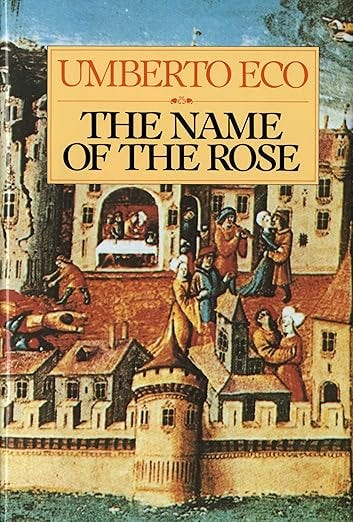
What stays with me this time is not the intricacy of the plot or the complexity of the debates about the absolute poverty of Christ, but the idea that lingers quietly between them. Eco is less interested in who committed the crimes, or whether the clergy should live without ownership of land or the accumulation of money, than in what happens when people become convinced they possess absolute truth.
At its core, the novel warns that the greatest danger is not error itself, but the violent certainty of those who believe they possess absolute truth and are willing to destroy others in its name. Ultimately, Umberto Eco reminds us that genuinely caring for humanity requires resisting the temptation of absolute certainty. When people are willing to die, or more often to demand that others die, for a truth they claim as their own, truth ceases to be a moral guide and becomes a destructive force.
In a world increasingly shaped by ideological conflict and political extremism, this warning feels anything but theoretical. It explains how societies fracture and how bloodshed is justified. Escaping these cycles requires more than strong beliefs. It requires humility, doubt, and the courage to accept that certainty without restraint is not strength at all, but one of the most dangerous forces we possess.
Thanks for reading Chronicles of a Liquid Society! This post is public so feel free to share it.
✍️ Written by

Newsletter
Stay updated with new articles.
No comments yet. Be the first to comment!