

The Fraud by Zadie Smith
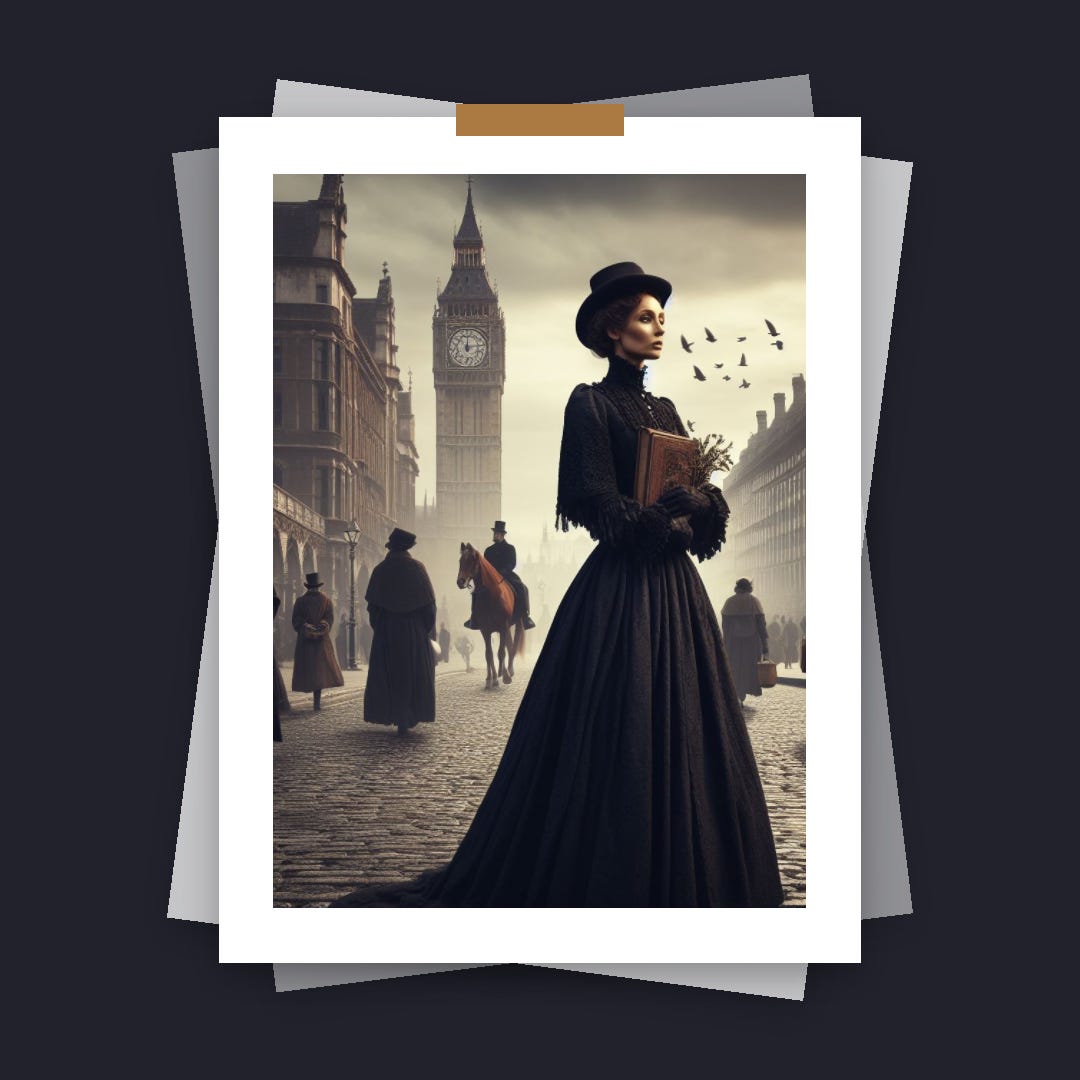
The Fraud by Zadie Smith is a captivating historical fiction novel that transports readers to 19th-century England, delving into the intricacies of a celebrated criminal trial, the Tichborne case. With meticulous attention to detail, Smith weaves a tale that revolves around Eliza Touchet, a Scottish widow who finds herself entangled in the life of William Ainsworth, a popular Victorian novelist.
William Ainsworth, who was Charles Dickens’ friend and a more successful author in their early years, is portrayed as a waning literary figure who is fighting to stay relevant. He serves as a symbol of the challenges faced by writers during Victorian England, as new literary movements and tastes began to emerge.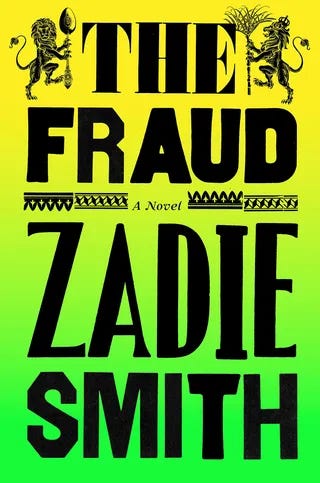
The big trial and the unfolding social and psychological drama are what drive the plot of the novel. Eliza Touchet's interest is piqued by one of the primary witnesses in the trial, the enigmatic figure of Andrew Bogle, an elderly Jamaican who holds the secrets of a past shrouded in the brutality of slavery.
Smith delves into the darker aspects of the era, shedding light on the British colonial slave trade and the abolitionist movement. Drawing upon historical events and the experiences of characters like Andrew Bogle, Smith portrays the harsh realities of colonization and the complexities of navigating a society where racism and prejudice are deeply ingrained.
“Mrs Touchet has a theory. England was not a real place at all. England was an elaborate alibi. Nothing real happened in England. Only dinner parties and boarding schools and bankruptcies. Everything else, everything the English really did and really wanted, everything they desired and took and used and discarded - all of that they did elsewhere.”
No exploration of Victorian England would be complete without acknowledging the influence of the iconic Charles Dickens. Smith deftly utilises his character to delve into the contradictions and complexities of Victorian England. It was an era of major transformations in most aspects of English life, from scientific, economic, and technological advances to changes in class structures and the role of religion in society. Authors like Thomas Carlyle began to direct their attention toward social issues, highlighting the dehumanizing effects of the Industrial Revolution.
Dickens' role as a social commentator and his critique of the worst excesses of Victorian society are explored through the lens of Eliza Touchet. Dickens is credited with bringing novelists to a new level of moral and political stature, something that Eliza Touchet objects to on ethical grounds. Dickens, while celebrated for being sympathetic to the plight of the poor and disadvantaged in British society, has also been criticized for his attitudes, which have been perceived as racist and xenophobic.
“Keep stealing, my friends! From life for fiction, and from fiction for life. What a terrible business. At least William did it clumsily, with denign incompetence. Whereas his friend Charles had done it like a master - like an actor. That was precisely what was so dangerous about him. Charles Dickens played a part, always.”
Through Mrs Touchet, Smith is challenging Victorian ideas of gender and sexuality. The Victorian era was characterised by rigid gender roles and societal expectations of women. Domesticity, motherhood, and the preservation of moral standards were considered paramount. However, despite the restrictions, women made some progress in the 19th century. While they did not have the right to vote, sue, or, if married, own property, as Britain transformed into an industrial nation, Victorian feminism emerged as a significant political force.
“All the thoughts were disturbing. They arose in the gap where a name should be. And in the same gap, lurching up to meet her: freedom. The thought that she might live somewhere of her own choosing! In her own rooms, paid for with her own money. It was dizzying. She stopped and looked at ther shoes. they were old, and needed new soles. Why was it easier to think of shoes than freedom? How could she feel so wrong-footed by the very thing she had prayed for?”
Thank you for reading Marginal Space. This post is public so feel free to share it.
✍️ Written by

Newsletter
Stay updated with new articles.
No comments yet. Be the first to comment!