

The Monster in the Gallery
Like Daisy Dixon, I dislike Paul Gauguin’s art. I’ve never been able to stomach the violence lurking within his paintings, the deliberate exploitation of young Polynesian girls dressed up in the tropical colours of a paradise he invented to excuse himself. And I suspect I’m in a small minority who find Picasso’s art difficult to admire, with only one exception. Guernica remains a masterpiece because it refuses to make suffering attractive. Its purpose is not to beautify horror but to confront us with it. The truth is that the more I learned about the artist, the harder it became to separate the work from the man. And it’s almost always a man.
This is precisely the territory that the philosopher Daisy Dixon explores in her book Depraved: The Story of Dangerous Art. Ranging from prehistoric sculpture to extreme metal music, from video games to classical paintings, Dixon explores a question that many art historians and critics prefer to avoid: what if some art genuinely makes us worse?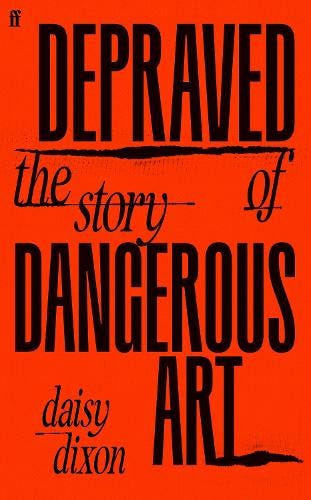
One of the book’s strongest chapters examines Titian’s The Rape of Europa, where Dixon shows how a scene of violent abduction can be transformed into something “beautiful,” encouraging viewers to ignore the fact that consent is missing. As you read, you feel the fog clear and find yourself looking again at a celebrated masterpiece, only to wonder how long you had been looking without truly seeing.
What makes Depraved particularly interesting is that Dixon refuses the fashionable conclusion that harmful art should simply be cancelled or removed. In fact, she argues the opposite. She is not defending harmful art, nor is she dismissing moral criticism. What she challenges is the idea that removal, suppression, or cancellation is the best or most effective response. Removing an artist from public view or locking a painting in a storage room does not defeat the ideas embedded within the work. It just reduces our ability to confront and argue with them.
The problem with cancel culture is not that it is too harsh but that it is too lazy. It mistakes silencing a voice for defeating an idea, when in reality suppressed ideas have a long and stubborn history of returning with greater force. That pattern is visible across contemporary life. People increasingly treat wrongdoing, or perceived wrongdoing, as something to be publicly condemned rather than understood, corrected, or debated. Social shaming replaces conversation and reputational punishment replaces genuine accountability.
Dixon’s conclusion is that censorship can be as damaging as the art it seeks to suppress. The answer to harmful art is not less speech but more of it. By exposing the assumptions hidden within a painting, a novel, or a song, we weaken their power far more effectively than censorship ever could. You do not defeat the monster by refusing to look at it, but by facing it, understanding it, and then answering back.
Thanks for reading Chronicles of a Liquid Society! This post is public so feel free to share it.
✍️ Written by

Newsletter
Stay updated with new articles.
No comments yet. Be the first to comment!