

Who’s Afraid of Feminism? Misandry Myths and Patriarchal Backlash
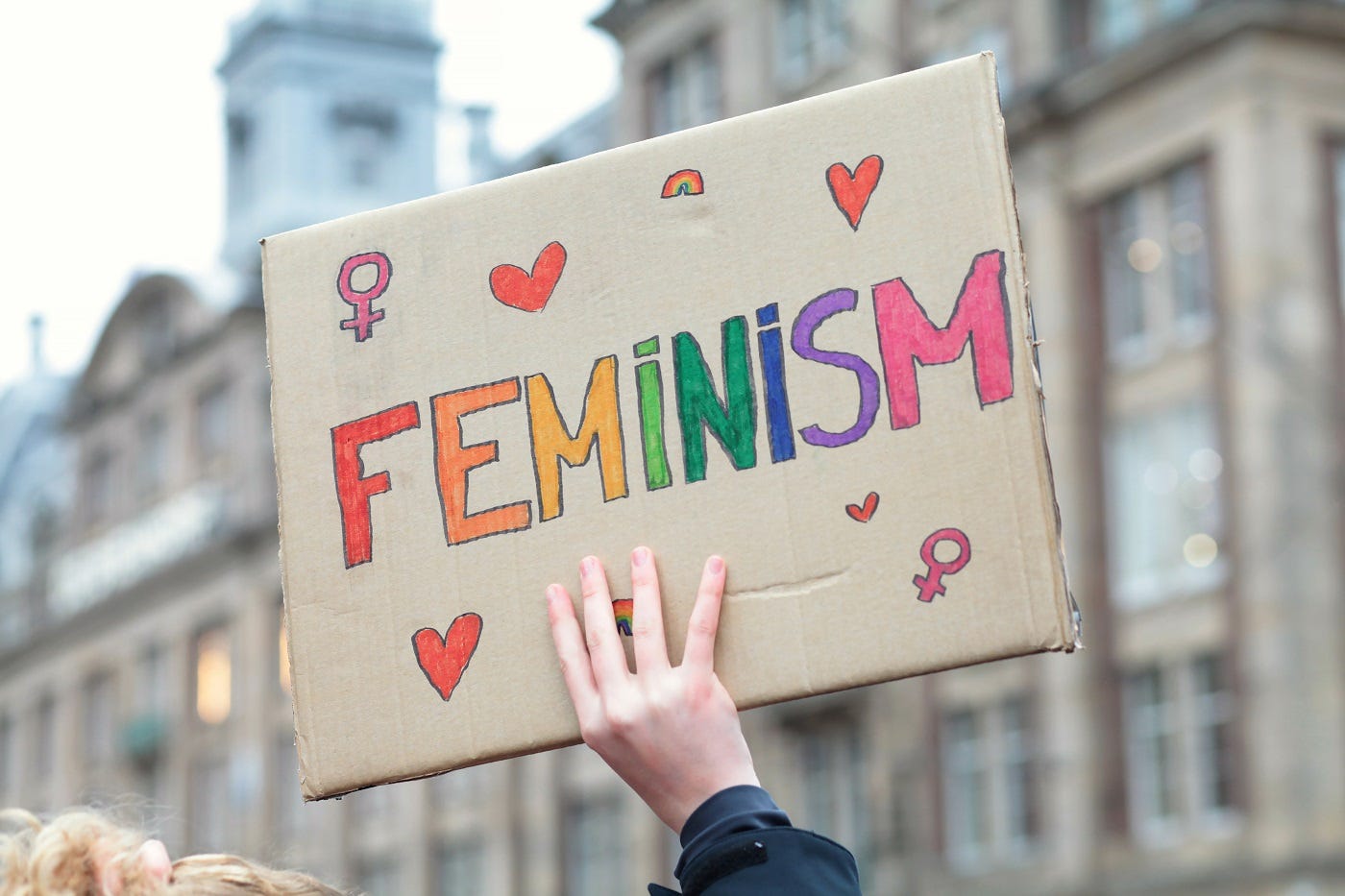
Following a recent post on the 4B movement in South Korea,I found myself involved in several discussions about feminism. One particular exchange on Discord, struck a chord, and prompted me to reflect on the widespread misunderstanding of feminism and its frequent misinterpretation as misandry.
Misandry is defined as dislike, hatred or prejudice against men. It refers to negative attitudes, beliefs, or behaviours that marginalize or demean men based on their gender.
In today’s hyperconnected world, this term is increasingly weaponised, especially on social media, where isolated incidents are exaggerated or misinterpreted, to amplify and perpetuate a narrative of hatred and male victimisation.
This misinterpretation is not just a misunderstanding; it’s a deliberate rhetorical strategy used to discredit feminism and distract from the pervasive systemic issues that women face worldwide. Women across the globe have endured centuries of oppression—systemic discrimination, horrific violence (they literally burnt women alive) and societal constraints. Even today there is no shortage of ways women’s lives continue to be destroyed. Women are abused, assaulted, economically disempowered, raped, shoved into the margins, silenced, ignored, forced into pregnancy or servitude, imprisoned and, yes, sometimes murdered.
For decades the feminist movement has been haunted by accusations of being ‘anti-men’ and that feminists ‘hate men.’ It’s critical to ask: why does this misleading narrative gain so much traction?
This ‘misandry myth’ has been used to viciously undermine and discredit the movement, deterring women from joining it, and provoking men to oppose it – sometimes with violence. The stereotype of feminists as man-haters is a myth designed to silence women and perpetuate the patriarchal norms that harm all genders.
Patriarchy thrives on having lower standards for men and boys, while it forces women to overachieve just to be seen as equals. It doesn’t just harm women; it also harms men by discouraging growth, emotional development, and accountability.
Feminism is not a threat—it’s an opportunity to create a more equitable and inclusive society for everyone. As Chimamanda Ngozi Adichie famously said, ‘Feminism is about justice—it is not about the inverse of injustice.’
Thank you for reading this Substack. If you think someone else might enjoy this too, please spread the word. If you have any feedback, please comment below.
Sources and further reading
- Susan Faludi, Backlash: The Undeclared War Against American Women
- Jessica Aiston, ‘Vicious, vitriolic, hateful and hypocritical’: the representation of feminism within the manosphere, Critical Discourse Studies
- Hopkins-Doyle, A., Petterson, A. L., Leach, S., Zibell, H., Chobthamkit, P., Binti Abdul Rahim, S., Blake, J., Bosco, C., Cherrie-Rees, K., Beadle, A., Cock, V., Greer, H., Jankowska, A., Macdonald, K., Scott English, A., Wai Lan YEUNG, V., Asano, R., Beattie, P., Bernardo, A. B. I., … Sutton, R. M. (2024). The Misandry Myth: An Inaccurate Stereotype About Feminists’ Attitudes Toward Men. Psychology of Women Quarterly, 48(1), 8-37. https://doi.org/10.1177/03616843231202708
- UN Women, The 11 biggest hurdles for women’s equality by 2030
✍️ Written by

Newsletter
Stay updated with new articles.
No comments yet. Be the first to comment!